Alocasia Dragon Tooth: The Ultimate Guide
As an avid plant lover, I am always on the lookout for unique and exotic plants to add to my collection. Recently, I came across a plant that has quickly become one of my favorites – the Alocasia Dragon Tooth. This stunning plant is not only beautiful, but it is also easy to care for, making it a perfect addition to any plant lover's collection.
The Alocasia Dragon Tooth, also known as Alocasia Baginda, is a tropical plant native to Southeast Asia. It is a member of the Araceae family and is closely related to other popular houseplants such as the Philodendron and Monstera. What makes this plant so special is its unique foliage. The leaves of the Alocasia Dragon Tooth are heart-shaped and have a distinct point at the end, giving them a dragon tooth-like appearance.
Not only is the Alocasia Dragon Tooth beautiful, but it is also relatively easy to care for. In this guide, we will explore everything you need to know about caring for this stunning plant.
1. Light Requirements
Like most tropical plants, the Alocasia Dragon Tooth prefers bright, indirect light. However, direct sunlight can scorch the leaves, so it is important to keep the plant in a location where it can receive filtered light. If your plant is not getting enough light, you may notice that the leaves begin to turn yellow or droop.
2. Watering
When it comes to watering the Alocasia Dragon Tooth, it is important to strike a balance between keeping the soil moist and avoiding overwatering. The plant prefers well-draining soil, so be sure to choose a pot with good drainage. Water the plant when the top inch of soil feels dry to the touch. Be careful not to let the soil dry out completely, as this can cause the leaves to wilt.
3. Humidity
As a tropical plant, the Alocasia Dragon Tooth thrives in humid environments. If you live in a dry climate, consider using a humidifier or placing a tray of water near the plant to increase humidity levels. This will help prevent the leaves from drying out and keep your plant looking healthy and vibrant.
4. Temperature
The Alocasia Dragon Tooth prefers warm temperatures between 65-80°F (18-27°C). Avoid exposing the plant to temperatures below 60°F (15°C), as this can cause damage to the leaves. If you live in a cooler climate, consider placing the plant near a heat source or using a grow light to provide additional warmth.
5. Soil
The Alocasia Dragon Tooth prefers well-draining soil that is rich in organic matter. A mixture of peat moss, perlite, and potting soil is ideal for this plant. It is important to ensure that the soil is not compacted, as this can lead to issues with root rot.
6. Fertilization
To keep your Alocasia Dragon Tooth healthy and thriving, it is important to fertilize it regularly. Use a balanced, water-soluble fertilizer once a month during the growing season (spring and summer). Be sure to follow the instructions on the fertilizer package carefully to avoid over-fertilizing, which can be harmful to the plant.
7. Repotting
The Alocasia Dragon Tooth should be repotted every 1-2 years to ensure that it has enough room to grow. When repotting, choose a pot that is slightly larger than the current one and be careful not to damage the plant's delicate roots. It is also a good idea to refresh the soil when repotting to ensure that the plant has access to fresh nutrients.
8. Propagation
Propagating the Alocasia Dragon Tooth is relatively easy and can be in several ways. You can propagate the plant by dividing the rhizomes (underground stems) or by taking stem cuttings. To propagate by division, carefully remove the plant from its pot and gently separate the rhizomes into smaller sections. To propagate by stem cutting, simply take a cutting from the stem of the plant and place it in water until roots begin to form.
9. Common Problems
Like all plants, the Alocasia Dragon Tooth is susceptible to certain issues. The most common problems include:
- Yellowing leaves: This can be a sign of overwatering, underwatering, or exposure to direct sunlight.
- Brown spots: Brown spots on the leaves can indicate a fungal or bacterial infection. Remove any affected leaves and treat the plant with a fungicide if necessary.
- Wilting: Wilting can be caused by overwatering, underwatering, or exposure to cold temperatures.
10. Pests
Although the Alocasia Dragon Tooth is relatively pest-resistant, it can still fall victim to certain pests. The most common pests include spider mites, mealybugs, and scale insects. To prevent infestations, regularly inspect your plant for signs of pests and treat them promptly if necessary.
The Alocasia Dragon Tooth is a stunning plant that is easy to care for and makes a perfect addition to any indoor garden. By following the tips outlined in this guide, you can ensure that your plant thrives and remains healthy for years to come.
Frequently Asked Questions
Q1. Is the Alocasia Dragon Tooth poisonous?
A1. Yes, the Alocasia Dragon Tooth is toxic to pets and humans. It contains calcium oxalate crystals, which can cause skin irritation and digestive issues if ingested.
Q2. How often should I water my Alocasia Dragon Tooth?
A2. Water your Alocasia Dragon Tooth when the top inch of soil feels dry to the touch. Be careful not to overwater, as this can lead to root rot.
Q3. Can I grow the Alocasia Dragon Tooth outdoors?
A3. The Alocasia Dragon Tooth is a tropical plant and is best suited for indoor growing. However, it can be grown outdoors in warm, humid climates.
Q4. What kind of fertilizer should I use for my Alocasia Dragon Tooth?
A4. Use a balanced, water-soluble fertilizer once a month during the growing season (spring and summer). Be sure to follow the instructions on the fertilizer package carefully.
Q5. How do I propagate my Alocasia Dragon Tooth?
A5. Propagate the Alocasia Dragon Tooth by dividing the rhizomes or by taking stem cuttings.
Q6. Why are the leaves on my Alocasia Dragon Tooth turning yellow?
A6. Yellowing leaves can be a sign of overwatering, underwatering, or exposure to direct sunlight.
Q7. How do I increase humidity levels for my Alocasia Dragon Tooth?
A7. Increase humidity levels by using a humidifier or placing a tray of water near the plant.
Q8. Can I prune my Alocasia Dragon Tooth?
A8. Yes, you can prune your Alocasia Dragon Tooth to remove any dead or damaged leaves.
Q9. How often should I repot my Alocasia Dragon Tooth?
A9. Repot your Alocasia Dragon Tooth every 1-2 years to ensure that it has enough room to grow.
Q10. What pests are common on Alocasia Dragon Tooth plants?
A10. Common pests include spider mites, mealybugs, and scale insects.
15 Alocasia dragon tooth Images

Not To Be Confused With Alocasia Nebula Silver Dragon Alocasia

Alocasia Baginda Silver Dragon For Sale HappyForest Alocasia

Alocasia Baginda Dragon Scale In 2020 Alocasia Plant Unusual

Alocasia Dragon Scale Care Complete Guide Smart Garden Guide In

Alocasia Baginda Dragon Scale Silver Dragon Unique Plants Large

Alocasia Pink Dragon P 13 Cm Kwekersvergelijk Kamerplanten Thuis

Pin On

Check Out These 13 Wonderful Alocasia Varieties That Showcase The

Alocasia Maharani Grey Dragon 6 Pot Plant Etsy Plants Plant

Alocasia Longiloba Dragons Tooth 2 Sizes Available In 2022 Free
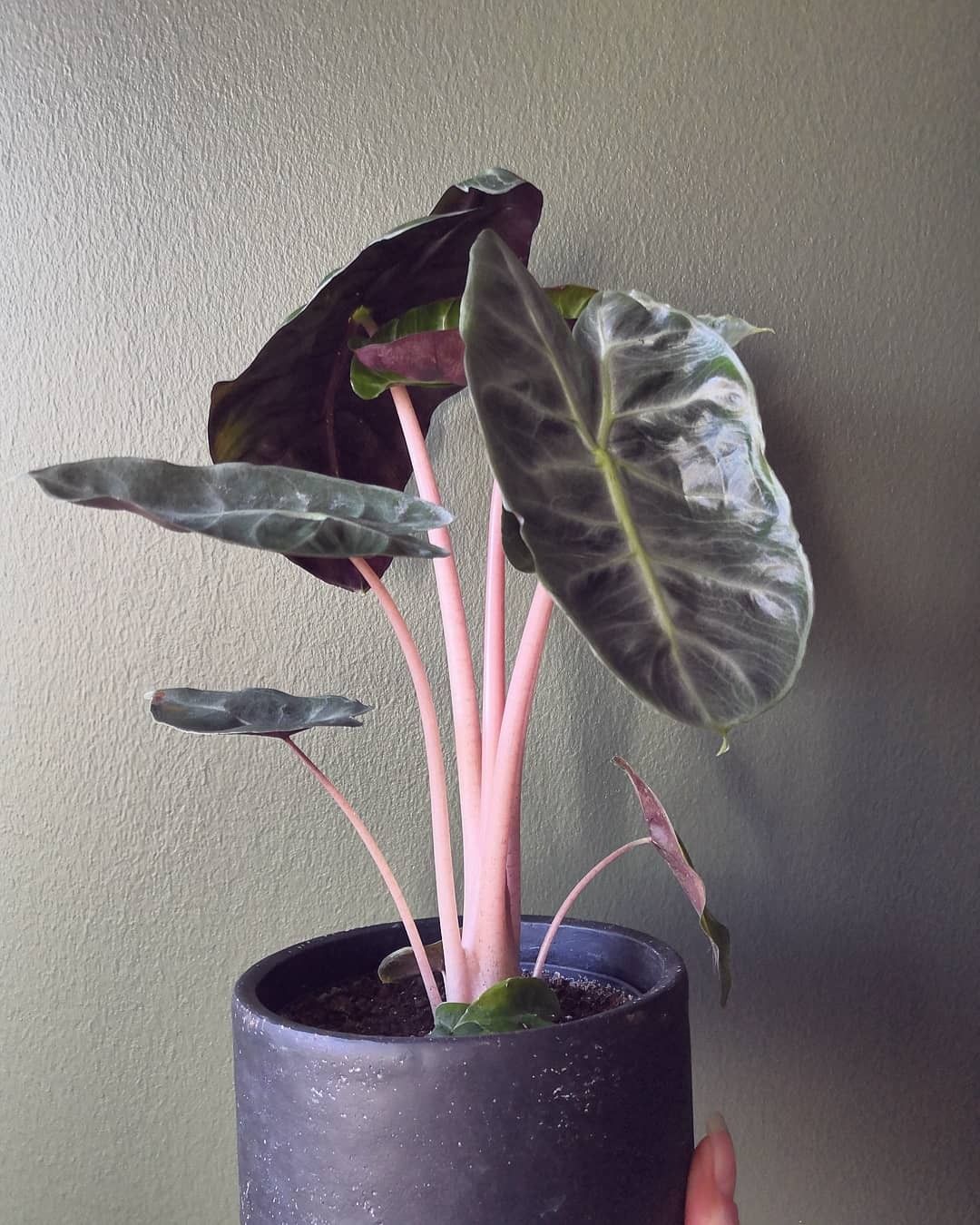
Alocasia Pink Dragon Tropical House Plants

Alocasia Baginda Dragon Scale EdenCPs Dragon Scale Plants Green

Alocasia Silver Dragon Smartplantcare For Alocasiabagina

Pin On Dachfenster

ALOCASIA Dragon Scale Pink Dragon SPECIAL DRAGON OFFER 1L Turn
Posting Komentar untuk "Alocasia Dragon Tooth: The Ultimate Guide"